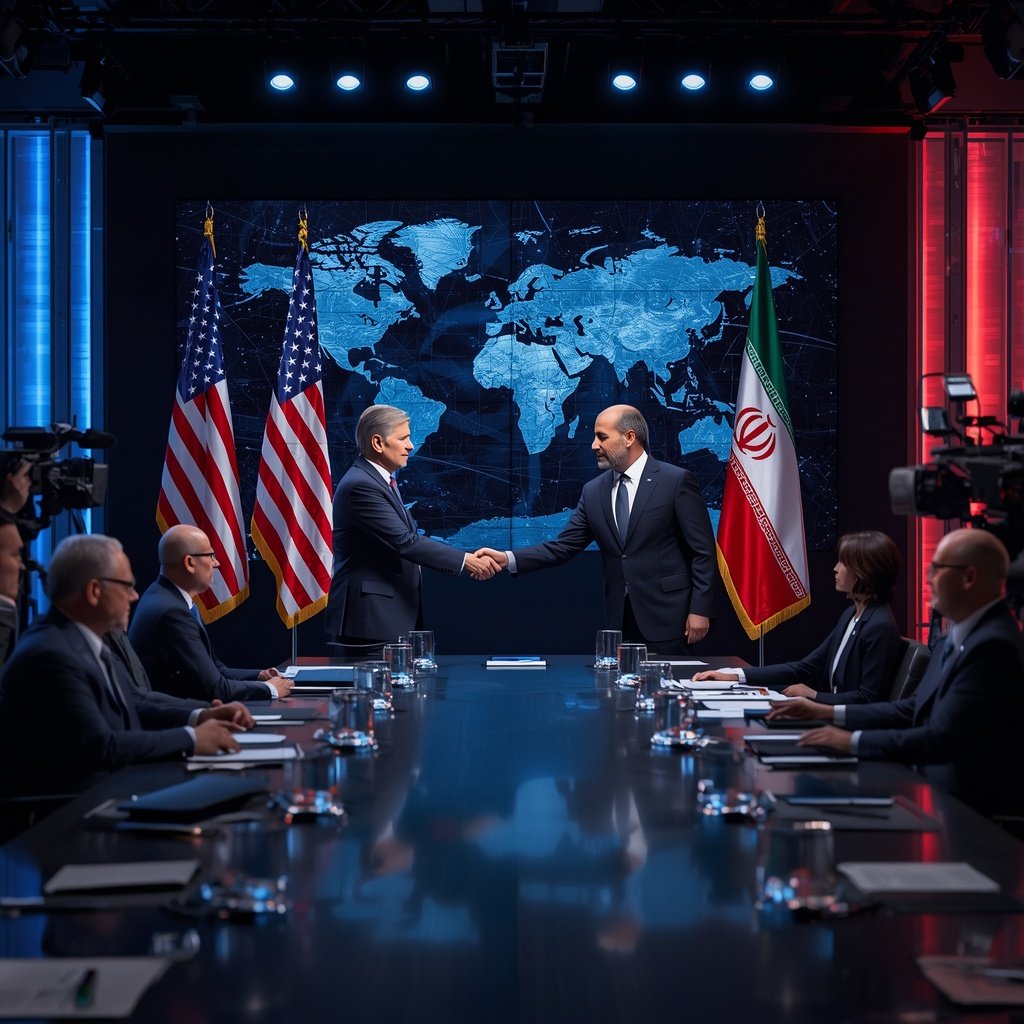
US–Iran Interim Agreement: What the Latest Deal Means for Global Security and Energy Markets
US–Iran Reach Interim Agreement as Both Nations Prepare for Long-Term Peace Talks
The United States and Iran have taken a significant diplomatic step by signing an interim agreement designed to reduce military tensions and create a pathway toward a broader peace settlement. While the agreement is temporary, international observers describe it as one of the most important diplomatic developments between Washington and Tehran in recent years.
The memorandum establishes a 60-day negotiation period during which both countries are expected to work toward a comprehensive agreement covering regional security, nuclear issues, and economic cooperation.
Key Highlights of the Agreement
According to official documents released by U.S. authorities, the interim agreement includes:
Continued diplomatic engagement under international mediation
Suspension of military operations between both sides.
A 60-day framework for comprehensive negotiations.
Plans to restore commercial shipping through the Strait of Hormuz.
Gradual easing of certain restrictions if agreed conditions are met.
Why This Agreement Matters
The United States and Iran have experienced decades of political and military tensions. Any progress toward diplomacy has the potential to influence:
Global oil prices
International financial markets
Middle East security
Nuclear negotiations
Regional trade routes
Analysts believe the temporary agreement could help reduce uncertainty across international markets if both sides continue negotiations successfully.
Impact on Global Oil Markets
One of the biggest concerns during periods of conflict has been the security of the Strait of Hormuz, one of the world’s busiest energy shipping routes.
Market analysts suggest that reduced tensions may:
Improve global oil supply stability
Lower shipping risks
Reduce energy price volatility
Improve investor confidence
Energy traders continue to monitor negotiations closely because any breakdown in talks could quickly affect oil prices again.
Challenges Still Remain
Despite the positive announcement, experts caution that many difficult issues remain unresolved.
These include:
Long-term nuclear commitments
Sanctions policy
Regional security arrangements
Verification mechanisms
Political approval from lawmakers in both countries
Diplomats emphasize that the interim agreement should be viewed as a first step rather than a final peace settlement
If you are interested in any of the above proposals, please fill out the form below:
International Reaction
Governments and international observers have generally welcomed renewed diplomatic engagement while encouraging both sides to continue negotiations peacefully.
Financial markets also reacted cautiously as investors evaluated the potential economic impact of reduced regional tensions
What Happens Next?
Negotiators are expected to spend the next 60 days discussing a broader agreement covering:
Nuclear issues
Economic sanctions
Regional security
Commercial shipping
Long-term diplomatic relations
Whether these talks succeed will largely determine the future relationship between Washington and Tehran.
Conclusion
The newly announced interim agreement represents a notable diplomatic development between the United States and Iran. While it does not resolve every dispute, it creates an opportunity for dialogue and could contribute to greater stability in the Middle East if negotiations continue successfully.
Global leaders, investors, and energy markets will closely monitor developments over the coming weeks as both countries attempt to transform this temporary arrangement into a lasting agreement.