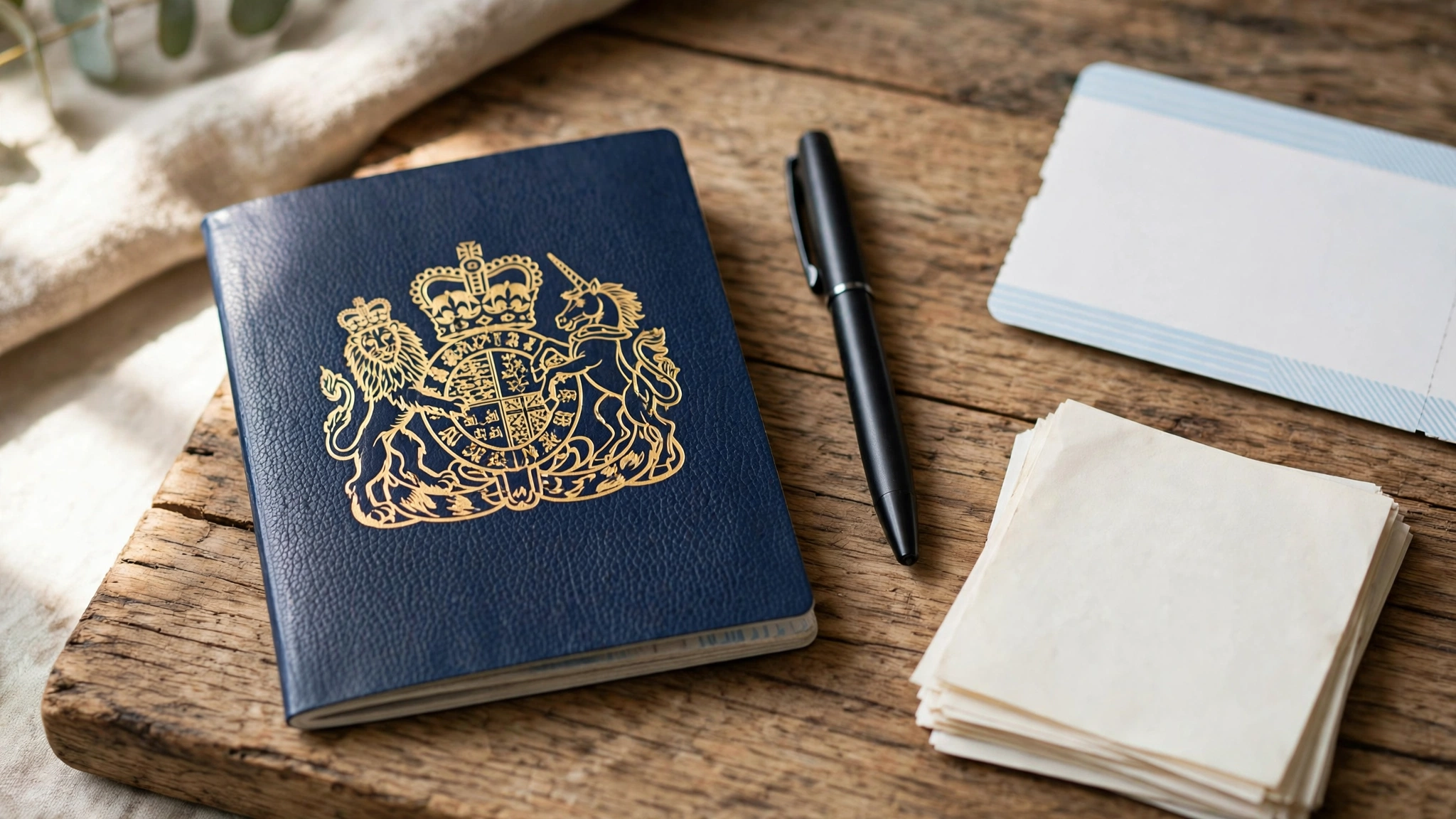
Passport fees went up on 8 April 2026, and the old prices are now out of date. Renewing a standard adult passport online now costs £102, up from £94.50, and a paper application costs £115.50. A child passport costs £66.50 online or £80 on paper. The rise, of about 8%, was made under the Immigration, Nationality and Passports (Fees) (Amendment) Regulations 2026, and it applies whether you are renewing, replacing a lost passport or applying for the first time — there is no renewal discount, because a completely new passport book is issued every time. If a website still quotes £94.50 for an adult passport, it is quoting the pre-April price.
When should you renew — when the expiry date arrives, or months before it? Months before. Many countries require your passport to be valid for several months beyond your trip, and airlines can refuse boarding if it falls short. A passport renewed early loses nothing: years ago, up to nine unused months from your old passport were added to the new one, but that stopped, so a passport renewed early simply runs for ten years from the issue date.
What it costs in 2026
HM Passport Office publishes the full fee table on GOV.UK, and the figures below are the current ones for applications made from inside the UK. A standard 34-page adult passport is £102 online or £115.50 on a paper form. A 54-page frequent-traveller adult passport is £116 online or £129.50 on paper. A child passport is £66.50 online or £80 on paper. Applying from outside the UK costs more: £116.50 online for an adult and £75.50 for a child, plus £14.32 for delivery to an international address.
The Post Office Check and Send service costs £16 on top of the passport fee. Staff check your application and photos before it goes to HM Passport Office, which makes rejection less likely, and for paper applications the Post Office sends the form by Special Delivery. A digital Check and Send costs the same £16 and includes your photo taken in the branch. Check and Send does not speed up processing; it only reduces the chance of an error bouncing the application back.
How long it takes
HM Passport Office says you will usually get your passport within three weeks, counted from when it receives your documents — not from when you apply online, so post your old passport straight away. In 2025, 99.7% of standard UK applications that needed no further information were processed within three weeks. At peak times, in spring and early summer when half the country remembers the school holidays are coming, processing can stretch longer, and the official advice is not to book travel until your new passport is in your hand.
If you need a passport urgently, two faster services are booked through GOV.UK, both needing a passport-office appointment. One-week Fast Track costs £192 for an adult and £156.50 for a child, with the passport delivered a week after the appointment. One-day Premium costs £239.50 for an adult renewal (£253.50 for the 54-page version), is only for adult renewals, and is ready to collect about four hours after the appointment. Both book up quickly in busy months.
First: decide when, and which route
Your passport does not have to have expired before you can renew it — in fact, waiting until it has is one of the most common travel mistakes. Apply in a quiet month if you can. Renewing in autumn or winter for a summer trip is one of the easiest travel wins there is, because at peak times processing takes considerably longer.
Most people now renew online through GOV.UK, the cheapest and quickest route: fill in your details, pay by card, upload a digital photo, then post your old passport to the address you are given. You can track the application as it moves through the system.
The paper route still exists for those who prefer it. Forms are available from larger Post Office branches, and the Check and Send service has a member of staff look over your form and photo before it goes off, which can catch the sort of small error that causes delays. Paper applications cost £13.50 more than online ones and can take slightly longer, so if you are comfortable online, that is usually the better option. One firm warning: always use the official government site. Plenty of lookalike websites charge extra fees for "checking" services you do not need, and they appear prominently in search results. If the price looks higher than £102 online, you are probably on the wrong site.
Next: getting the photo right
The photograph is where applications most often stumble. The rules are strict because the photo is used for facial recognition at airport gates. You need a plain, light-coloured background with no shadows, a neutral expression, nothing covering your face or head unless worn for religious or medical reasons, and no glasses in most cases. Red-eye, glare and even a shadow behind your head can get a photo rejected.
Online applicants can take the photo at home with a phone, and the application process gives you an indication of whether it is likely to pass — ask someone else to take it rather than attempting a selfie, and stand against a plain wall in good, even light. Alternatively, photo booths and high street photo shops can supply a code that links your picture straight into the online application.
Then: sending your old passport
For a standard renewal you must send your old passport in the post. Until the new one arrives, you are without a passport, so do not book non-refundable travel in the gap if you can avoid it. Send it to the exact address given during your application, and consider a tracked or signed-for service — passports do occasionally go astray, and a tracking number makes any problem far easier to resolve. Your old passport will come back to you separately, with the corner cut off to show it is cancelled, and it may arrive on a different day from the new one.
Before you travel: the Europe rule travellers keep missing
For trips to most of Europe, two separate checks apply to British passports, and both catch people out. Your passport must have been issued less than ten years before the date you enter — and expiry dates can be misleading here, because passports issued a while ago sometimes show an expiry more than ten years after issue. Second, it must still be valid for at least three months after the day you plan to leave the Schengen area. Different rules apply for Ireland, and countries outside Europe set their own requirements — six months' validity is common — so check the entry rules for your specific destination before you book.
Find your current passport tonight and check the issue date as well as the expiry date, especially if you are heading to Europe. That one check — issued less than ten years before entry, valid for at least three months after you leave — decides whether you need to renew at all, and how urgently.