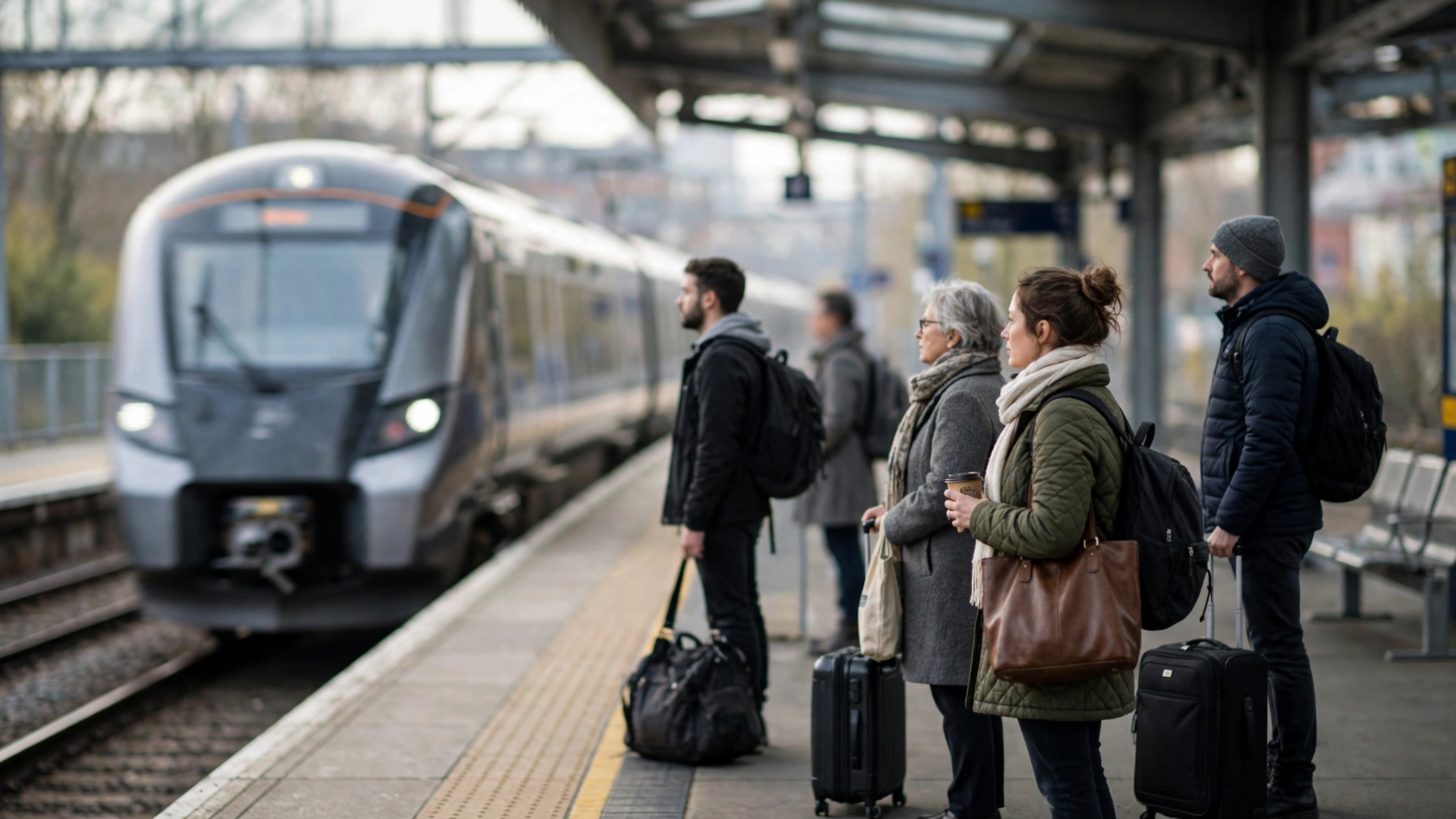
On 2 March 2026, regulated rail fares in England were frozen — a 0% rise, the first freeze in 30 years. The year before, on 2 March 2025, the same fares had risen by 4.6%. The Office of Rail and Road measured the change in regulated fares across Great Britain in 2026 at minus 0.1%, against a capped rise of 4.6% the year before. That is the good news, and it is real: the Department for Transport says the freeze saves passengers £600 million in 2026/27 across more than a billion journeys.
But the freeze only covers the fares the government controls — about 45% of fares by value. Season tickets, peak commuter returns and off-peak returns between major cities are held still. Advance fares, first-class fares and most other unregulated tickets are set by operators and can still move, sometimes sharply. The way to beat it is to price one journey four ways — advance, off-peak, split and with a railcard — and buy whichever is cheapest for that trip.
One route, four prices: London to Manchester
Take the busiest intercity route in the country as the worked example. Avanti West Coast runs direct trains from London Euston to Manchester Piccadilly several times an hour, the fastest taking about two hours and ten minutes. The 2026 fares on that route show the whole system in miniature.
An Advance single, booked weeks ahead for one specific train, starts from £15. An Off-Peak single on the same route costs £76.30, and an Off-Peak return £107.10. An Anytime single — walk up, take any train, full flexibility — starts from £200. That is a £185 gap between the cheapest and dearest way of making the identical two-hour journey, and it is decided entirely by when you buy and how flexible you need to be.
Book it 12 weeks ahead, when advance tickets go on sale, and the lowest prices are there; leave it until the week of travel and the cheap advances are usually sold out. For a fixed plan the advance fare wins by a distance; for an uncertain plan, the £76.30 off-peak single buys the right to take any off-peak train, and that flexibility is what the extra £61 pays for.
Split tickets: the same train, a lower total
Split ticketing is the best-known money-saver on the network. Instead of buying one ticket from A to C, you buy two or more tickets for the legs of the same journey — A to B, then B to C — and stay on the same train throughout. Fares were set route by route over many years and do not always add up neatly, so the combined price of the split tickets is often lower than the single through fare. The only rule that matters is that the train must stop at every station where your tickets change over.
It is not a theoretical saving. In August 2026, a family of two adults and two children travelling from London to Manchester for a weekend found that Trainline's SplitSave option cut £84.40 off the price of advance singles, bringing the cheapest fare for the four of them to £231.89, against an off-peak return of £362.79 for the same trip. Split-ticketing sites do the maths and sell the combination in one checkout. Run the check every time: the saving varies by route, date and operator.
Railcards: the £35 that pays for itself
Most railcards cost £35 for a year in 2026 — up from £30 in March 2025 — and give a third off most fares. The 16–25, 26–30, Senior, Two Together and Family & Friends cards all cost £35, and the 16–25, Senior and Family & Friends cards are also available as three-year cards for £80.
The arithmetic is simple. A third off means the card pays for itself once you have bought £105 of eligible fares in the year: £35 is a third of £105. One London to Manchester off-peak return at £107.10, bought with a railcard, saves £35.70 — more than the card cost, in a single trip. Avanti West Coast's own figures put the average annual saving at £189 for a 16–25 Railcard and £251 for a 26–30 Railcard.
There are catches worth knowing before you buy. The 16–25 and 26–30 cards carry a £12 minimum fare on weekday trains before 10am, so they do not discount a cheap early-morning fare below £12. The Two Together card covers two named adults travelling together, for £35 between them — £17.50 each.
Off-peak against anytime: what half an hour is worth
Peak fares exist because trains are busiest in the morning and evening rush. On the London to Manchester route the difference is stark: the £76.30 off-peak single against an anytime single from £200. Even a small shift helps. Leaving half an hour later, or catching a train that arrives after the morning peak, can move you into a cheaper ticket — and the train itself is usually quieter and more comfortable. Off-peak hours generally begin at 09:30 from Monday to Friday in cities and large towns, according to National Rail, though exact restrictions vary by route and ticket.
Season tickets against flexible seasons
If you travel the same route several days a week, a season ticket is often cheaper than buying daily tickets, and the freeze holds its price still for the whole of 2026. But if you now travel two or three days a week rather than five, a full season ticket may no longer be the best deal. Flexible season tickets — bundles of day passes to use across a month — were designed for exactly this pattern.
The Department for Transport's own examples, published when the freeze was announced on 23 November 2025, show what the freeze is worth to a commuter travelling three days a week on a flexi-season ticket: £315 a year saved on Milton Keynes to London, £173 a year on Woking to London, and £57 a year on Bradford to Leeds. Transport Secretary Heidi Alexander put it plainly at the time: "We all want to see cheaper rail travel, so we're freezing fares to help millions of passengers save money."
GroupSave: a third off with no card at all
Travelling with others? National Rail's GroupSave gives groups of three to nine adults travelling together a third off off-peak standard-class fares on participating operators, with no railcard needed.
The freeze ends in March 2027
The freeze is a one-year measure, and the clock on it is already running. The Budget on 28 October 2026 set aside no funding to extend it, and the Department for Transport has said no decision has yet been taken on fares for next year. If the old formula returned — July's Retail Prices Index plus one percentage point — the July 2026 RPI figure of 3.2% would mean a rise of 4.2% in March 2027. Learn which price wins on your route now, so that when fares move again, you are already buying the cheapest one.