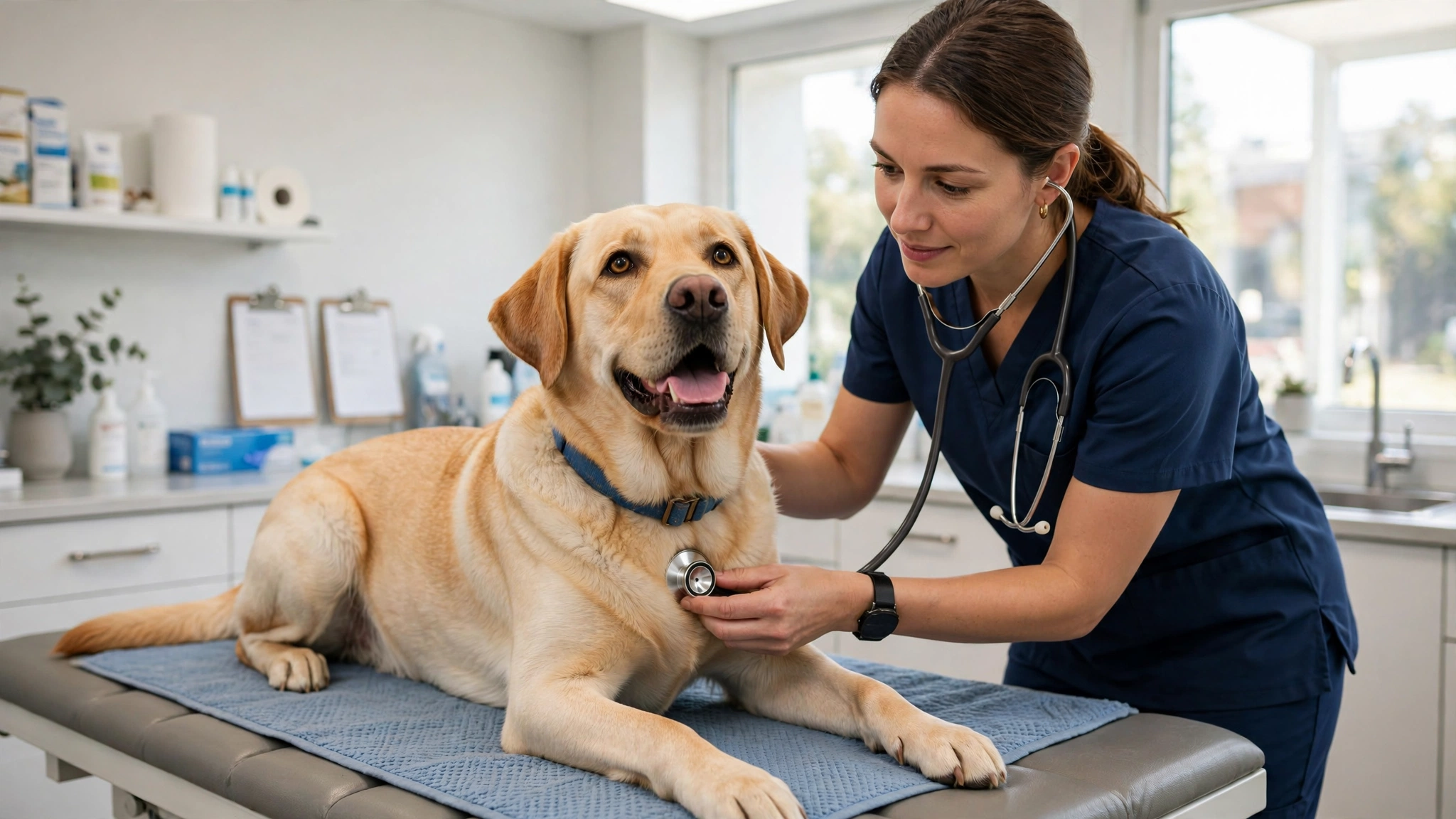
Keeping a dog healthy in Britain now comes with a bill that owners can no longer wave away. A standard daytime vet consultation costs about £62, according to a ManyPets survey of 80 UK practices in January 2026, which found an average of £61.99 — up 6% in a year. That is the starting point, not the ceiling: an out-of-hours visit costs at least £200 to £300 before any treatment. Behind those prices sits a market investigation that has now formally documented why they keep rising. The Competition and Markets Authority, which published its final decision on veterinary services on 24 March 2026, found that average vet prices rose by 63% between 2016 and 2023, while general services inflation over the same period was 32%.
The CMA's findings go further. More than 60% of UK veterinary practices are now owned in whole or in part by six large corporate groups, and prices at five of those groups were on average 18.3% higher than at independent practices between January 2023 and July 2024. Fewer than 40% of practices put prices on their websites.
What routine care actually costs
Ask any vet what keeps a dog healthy and the answer is rarely glamorous: the right food in the right amount, daily exercise, routine vaccinations, regular parasite treatment, and someone paying attention. What has changed is what that routine costs. A named practice price list makes the point concretely. Exeter Vets, publishing its current fees, charges £56 for an initial veterinary consultation, £49 for a follow-up, £60 for a cat and dog annual booster, £100 for a puppy vaccination course, £200 to £260 for dog castration, and from £170 for an out-of-hours consultation.
Puppies usually start vaccinations at around eight weeks old, with a second set a few weeks later, protecting against parvovirus, distemper, hepatitis and leptospirosis. After the puppy course, most dogs need a booster once a year, usually tied in with an annual health check. The annual visit is worth more than the jab itself: a vet will check teeth, heart, weight, joints and coat, and it is often at these routine appointments that small problems get spotted early, when they are cheaper and easier to treat. Keep the vaccination card safe; boarding kennels and doggy day care will usually ask to see it.
Flea and worm treatment is the job most easily forgotten until it becomes a problem. Most vets recommend flea prevention all year round, because central heating keeps fleas active indoors through winter too. Worming is typically done every few months for adult dogs, and more often for puppies.
Insurance: what the claims figures say
The case for insurance is written in the claims figures. Members of the Association of British Insurers paid out a record £1.23 billion in pet claims in 2024, from 1.8 million notified claims — an all-time high, averaging around 4,900 claims a day. The average claim was £685, up 3% on the year. Of that total, £933 million was for dogs. Those are not routine bills: they are the surgeries, scans and long-term conditions that arrive without warning and cost several thousand pounds.
The cost of cover itself is more modest than many owners assume. The median quote for a dog was £156.66 a year, in MoneySuperMarket quote data for July to September 2026. But policies differ widely, and the differences matter more than the headline premium. Some cover an illness for 12 months only, while lifetime policies refresh the cover each year as long as you keep renewing. Pre-existing conditions are usually excluded, which is why people who do insure often start when the dog is young and healthy. Read the excess and the annual limit carefully, and be honest on the application — breed, age and medical history all matter.
The PDSA's Animal Wellbeing Report, known as the PAW Report, shows why owners feel squeezed. In the 2025 report, published on 6 November 2025, two-fifths of owners said owning a pet was more expensive than they expected, the majority agreed the cost of owning a pet had increased since 2023, and more than half — 51% — said they were worried about the cost of vet care.
Food, weight and exercise
Weight is the most common health problem for UK dogs, and the numbers are stark. The Pet Food Manufacturers' Association confirmed in 2025 that approximately 51% of dogs are overweight or obese, and the PDSA's latest PAW Report found vet teams estimate around half of UK pets are overweight — equating to around 5 million dogs and 4.7 million cats. Extra weight strains joints, worsens breathing in flat-faced breeds and increases the risk of diabetes and heart problems.
Choose a complete dog food suited to your dog's age and size, measure portions rather than guessing, and go easy on treats — or count them as part of the daily allowance. Table scraps are a common culprit; that small bit of cheese from the edge of your plate adds up over a year. Exercise needs vary enormously. A young spaniel will happily take two long walks and still bring you a ball, while an elderly terrier may prefer three short strolls. As a rough guide, most adult dogs do well with at least an hour of activity spread across the day. Mental exercise counts too: sniffy walks, training games and puzzle feeders tire dogs out in a different, satisfying way.
Microchipping: it is the law
In England, Scotland and Wales, dogs must be microchipped by the age of eight weeks, and the keeper's details on the database must be kept up to date. It is not optional: if your dog is found without a chip, or with out-of-date details, you can be given 21 days to comply, and failure to do so can lead to a fine of up to £500. The chip only works if the details are current. If you move house or change your phone number, update the record — every year, rescue centres take in chipped dogs whose owners simply cannot be traced because the number on file is years out of date.
British weather asks a bit of dog owners too. In winter, grit and salt on pavements can irritate paws, so a quick rinse after walks helps, and older and thin-coated dogs may appreciate a coat. In summer, dogs overheat quickly and heatstroke can be fatal: walk in the early morning or evening, carry water, test the pavement with the back of your hand, and never leave a dog in a parked car, even for a few minutes with the window open. The routine is unglamorous — vaccinations, parasite treatment, weight, a chip that is up to date — but with consultation fees at £62 and rising, prevention is now the cheapest vet bill a dog will ever have.