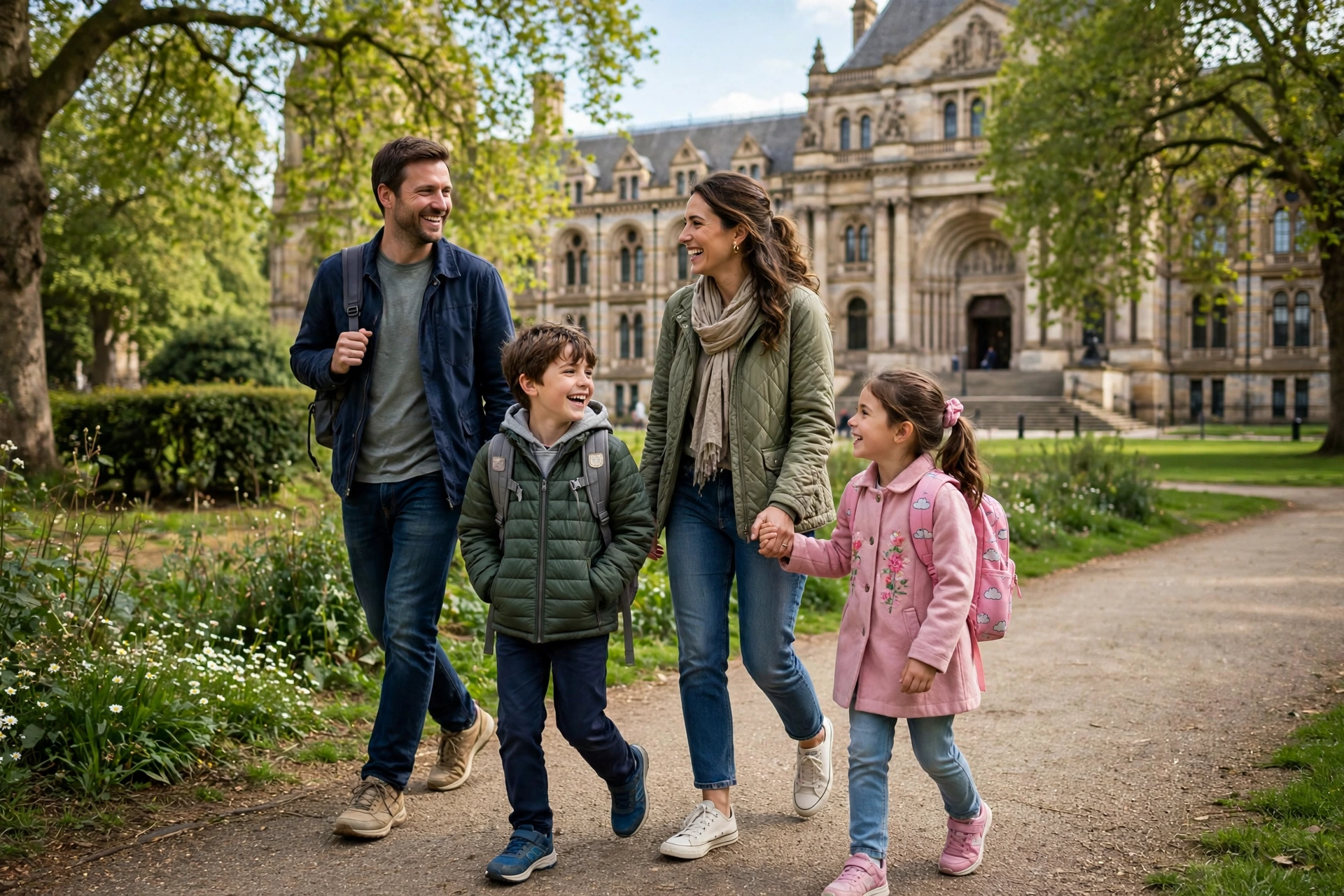
On 16 September 2026, the Natural History Museum in London reopened a gallery that had been shut to the public since 1943. The new free exhibition, Nature and Us, fills the second-floor room in the museum's Waterhouse building with 50 objects — among them a handaxe made around 400,000 years ago and a 1980s Star Wars toy encrusted with marine life — and it runs for an initial 18 months. It is the single best reason this autumn to revisit a museum you thought you already knew, and it sets the pattern for this year's free days out: the free part is real, but the new exhibitions, the timed tickets and the booking rules are what decide whether the day works.
That matters because the national museums are free to enter, yet the day is rarely free of planning. The Natural History Museum still recommends booking a free timed-entry ticket online in advance, and the first hour after its 10am opening remains the quietest time at the most popular attractions.
London: a tapestry, a trench and a free gallery
The biggest cultural event of the year is also, for children, the cheapest. The Bayeux Tapestry, the nearly 70-metre-long embroidery from Normandy, went on display at the British Museum on 10 September 2026 and runs until 11 July 2027 in the Sainsbury Exhibitions Gallery. It is a ticketed exhibition — standard adult tickets cost £33, off-peak £27, and super off-peak £25 on term-time weekday afternoons — but admission is free for children under 16 when they come with a paying adult, and the museum's permanent collection, from Egyptian mummies to the Rosetta Stone, remains free. Tickets for the first release sold out, with further releases through the run, so the Tapestry is a day to plan weeks ahead rather than decide on the morning.
Two doors down in South Kensington, the Victoria and Albert Museum is running two free offers this winter. The Burberry Trench: Crafting an Icon, a free display tracing the trench coat from practical origins to luxury, runs from 21 September 2026 to 3 January 2027 in the Prince Consort Gallery. And from 24 October 2026 to 17 January 2027, the free Freddie Mercury trail winds through the museum with eight looks worn by the Queen frontman. Both sit inside a museum whose permanent galleries, family trails and courtyard cost nothing. The Science Museum next door is free too, though its Wonderlab hands-on gallery charges, so check before promising it to children.
Open country: parks, trails and beaches
Leave the museums behind and the free days out get wilder, and cheaper. Hyde Park and Kensington Gardens offer the Diana Memorial Playground, the Serpentine and miles of paths, while Richmond Park has wild deer, ancient trees and views across the city — a genuine countryside day inside the capital. Outside London, the Peak District has free-to-walk trails for every level, from gentle strolls around Chatsworth's parkland (the house itself charges) to the stepping stones at Dovedale. The Lake District offers lake-shore walks, woodland trails and stone circles, all free to explore, with the cost limited to parking and an ice cream. For a coastal day, the beaches of Cornwall, Devon, Northumberland and the Welsh coast are free to visit, with rock-pooling, sandcastles and coastal walks. One practical rule covers all of them: car parks at the most popular beaches and trailheads fill first, and an early start buys a quieter walk. The other rule is to pack food. A packed lunch, snacks and water bottles are what turn a free day into a genuinely cheap one — the single most effective saving on this whole list, and the only time it needs saying.
Scotland: Edinburgh's free warriors and Glasgow's Spitfire
The National Museum of Scotland on Chambers Street in Edinburgh is free, with galleries on science, nature, world cultures and Scottish history, plus a rooftop terrace with views over the city. Its new exhibition for 2026 is also free: Scotland's First Warriors, which opened on 27 June 2026 and runs until 16 May 2027, explores the origins and impact of conflict in prehistoric Scotland. The museum's next big show, Roman Scotland: Life on the Edge of Empire, opens on 14 November 2026 and runs to 18 April 2027, but that one is ticketed, from £13.50 — worth knowing before you promise it. The museum opens daily from 10am to 5pm.
Arthur's Seat, the extinct volcano in Holyrood Park, offers a free, leg-stretching climb with panoramic views — best for older children and confident walkers, and worth saving for a clear day. The Royal Botanic Garden Edinburgh is also free, with glasshouses and family trails, though some exhibitions charge.
West in Glasgow, Kelvingrove Art Gallery and Museum is free, with everything from a Spitfire hanging from the ceiling to stuffed animals, suits of armour and a much-loved organ recital. The Riverside Museum, Glasgow's transport museum, is also free and a firm favourite with children who love trains, trams and tall ships. Several free museums offer free timed-entry booking online, and booking ahead avoids queues and guarantees entry on busy days.
Wales: Cardiff's museums and an open-air village
In Wales, the National Museum Cardiff is free, with natural history, art and geology galleries. St Fagans National Museum of History, just outside Cardiff, is an open-air museum of historic Welsh buildings set in parkland — also free — where children can walk through centuries of Welsh life, from a medieval church to a wartime prefab house. Check for family trails and events before you go: many free museums run them in school holidays, and a trail turns a walk through old buildings into a hunt children actually want to finish. The beaches along the Welsh coast are free to visit too, and a coastal walk is the cheapest version of a seaside day anywhere in the UK.
Northern Ireland: basalt columns and a Belfast garden
Northern Ireland's Causeway Coast offers one of the UK's most dramatic free days out. The Giant's Causeway itself — the famous basalt columns — is free to walk, with the visitor centre charging for parking and exhibitions. The clifftop walk from the Causeway to Dunseverick Castle is free, windswept and unforgettable. Bring layers: a windswept clifftop in any season is colder than the car park suggested.
In Belfast, the Ulster Museum in the Botanic Gardens is free, with galleries on art, history and nature, and the surrounding gardens are a pleasant place to spend an afternoon. The Titanic Quarter's outdoor spaces and the slipways where the great ship was built are free to walk around, though the Titanic Belfast exhibition itself is ticketed.
The pattern of 2026 is clear: the free museums have never offered more that is new — a gallery reopened after 83 years, a tapestry that has not been seen in Britain in a generation, a free warriors exhibition in Edinburgh — but the new things are the ones with queues, timed tickets and release dates. Book the ticket tonight, pack the lunch, and the day costs almost nothing.