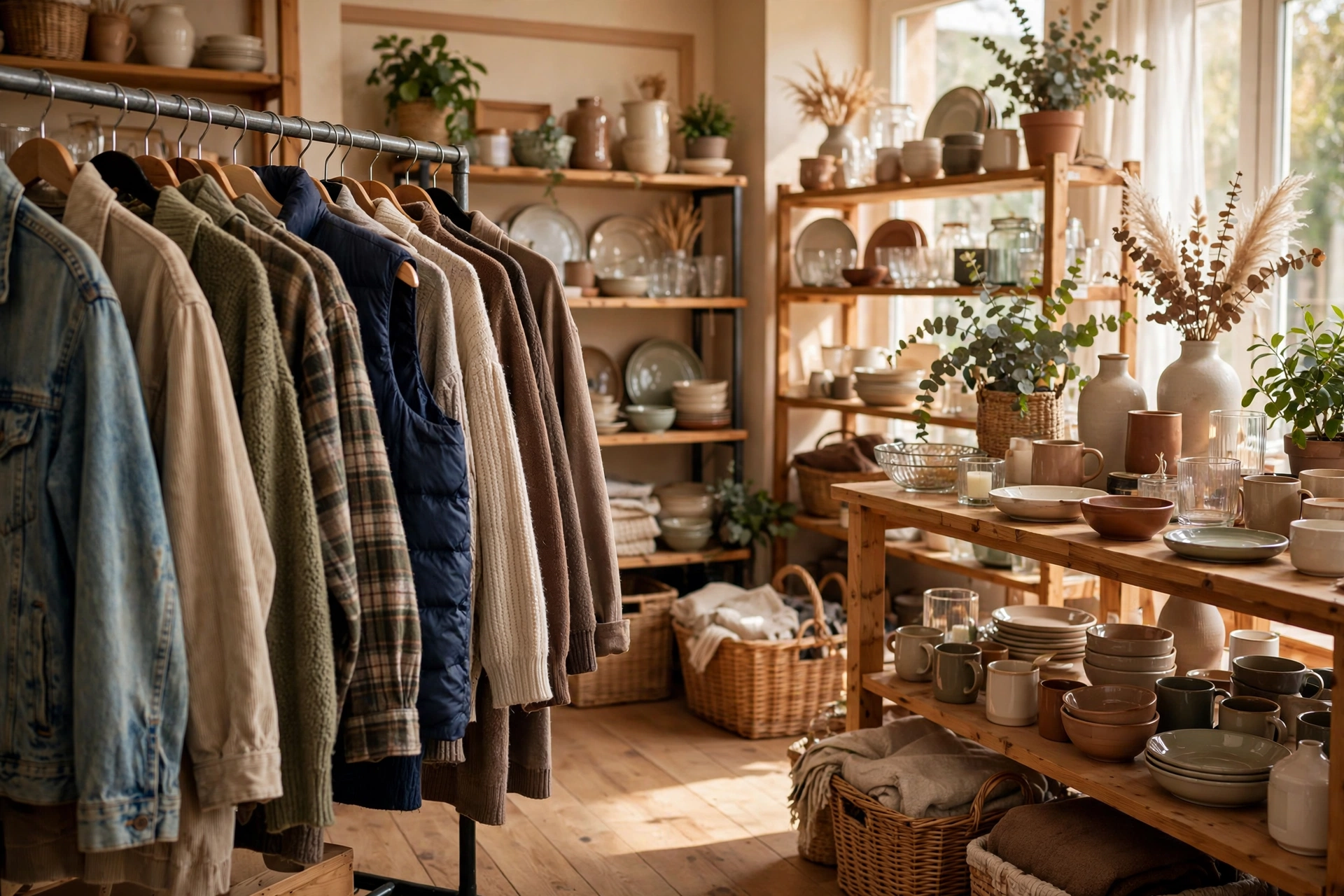
Britain's charity shops are having a strange year: busier and more popular than ever, yet closing in large numbers. There are more than 9,900 charity shops in the UK, and they contributed more than £300 million in profit to their parent charities in 2024/25, according to the Charity Retail Association. The sector employs more than 24,900 full-time-equivalent staff and relies on more than 223,500 volunteers. The average transaction in a charity shop was £7.51 between April and June 2026.
At the same time, the biggest names on the high street are shrinking. In June 2026 the British Heart Foundation, one of Britain's largest charity retailers, announced proposals to close around 150 shops over two financial years — about 90 by the end of March 2027 and the rest by March 2028 — blaming rising operating costs and changing customer habits. In the year to March 2026 the BHF ran 651 shops; retail turnover reached £236 million, but retail costs rose to £240 million, leaving a net loss of £3.3 million. Oxfam, which runs more than 500 shops, saw retail profits fall 23% to £4.9 million in the year to March 2026, and has been reported to be considering closing up to 100 outlets. Cancer Research UK confirmed in October 2025 that it would shut 90 shops, and Scope announced plans to close 77.
Where to look
Shops in affluent areas tend to receive higher-quality donations — designer labels, good fabrics, well-kept furniture — because that is what local people own and give away. It is worth travelling a little for a cluster of charity shops in a good neighbourhood, rather than visiting one shop at random.
Different chains have different strengths, and knowing them saves time. Oxfam, founded with its first shop on Broad Street in Oxford in 1947 and now the largest charity retailer with more than 600 shops, is strongest for books, vintage clothing and fair-trade goods. The British Heart Foundation runs the biggest furniture operation of any charity, with large furniture and electrical stores where sofas, tables and washing machines are checked, cleaned and often delivered. Cancer Research UK, with hundreds of shops across the country, is a reliable stop for everyday clothing and homeware. Sue Ryder and Barnardo's both run large networks with a strong furniture and homeware offer, and hospice charity shops — attached to local hospices — are often less picked-over than the big chains, with lower prices.
Do not overlook the smaller, independent charity shops. They are often less picked-over than the big chains, and their prices can be lower. A charity shop attached to a hospice, a hospital, or an animal shelter can be a goldmine precisely because fewer bargain hunters know about it. The Charity Retail Association's own figures show what the price level looks like: the median price for womenswear in a charity shop was £5.21 in 2025, and for menswear £6.00. A wool coat that would cost £80 or more new, a cashmere jumper, a leather jacket, a good pair of boots or a silk scarf — these are the items that cost a fortune new and often appear in charity shops in excellent condition because their owners bought them well and looked after them.
When to go
Many charity shops put out new stock in the morning, after sorting the previous day's donations. Arriving soon after opening, especially on a weekday, gives you first look at the freshest stock before the weekend crowds. Some shops have a regular pattern — a delivery day, a sale rail, a clearance week — and it is worth asking a volunteer when new stock comes out.
End-of-season clearances are another opportunity. When a shop needs to turn over stock, prices drop, and a coat that was £15 in January might be £5 in March. The same applies to homeware: after Christmas, donations of unwanted gifts flood in, and January can be a great month for crockery, glassware and small appliances.
Clothes: what to check
For clothes, fabric is the first check, followed by seams, buttons, zips and fit. Natural fabrics like wool, cashmere, silk, linen and good cotton tend to last longer and look better than thin synthetics. Check the label — a well-made garment usually says so.
Then inspect the garment properly. Check the seams for fraying, the armpits and collar for wear, the buttons and zips for damage, and the lining for tears. Hold the garment up to the light to spot thin patches or stains. Check the cuffs and hems, which wear first. A missing button is a small fix; a worn elbow or a stained collar is not.
Fit matters more than brand. A £4 jumper that fits beautifully is a better buy than a £10 designer jacket that does not. Most charity shops have changing rooms, so try things on. And remember that many charity shops accept returns within a short window — ask at the till if you are unsure.
Homeware: quality at a fraction of the price
Homeware is where charity shops really shine. A set of solid wooden chairs, a vintage tea set, a good mirror, or a set of picture frames can cost a fraction of the new price — and often looks better than something flat-packed. The big charity furniture stores are the best place to start for larger pieces: the British Heart Foundation's furniture shops, for example, check and clean items before sale and will often deliver.
For crockery and glassware, check for chips and cracks by running a finger around the rim and base, and hold glass up to the light. For furniture, check that drawers run smoothly, doors close properly, and legs are sturdy. Upholstered furniture from a reputable charity furniture shop should have a fire-safety label — if it does not, leave it. Electrical items should have been safety tested: kettles, toasters, lamps and irons are common finds, and if you are buying anything electrical, check that the flex is undamaged and ask whether it has been tested.
Shopping well, and giving back
A few habits make charity shopping more rewarding. Go with a rough idea of what you need — a winter coat, a set of plates, a desk lamp — but stay open to surprises. Set a budget and stick to it. And be kind to the volunteers: they sort, price and steam an enormous volume of donations, and a friendly regular is more likely to hear about a good piece that has just come in.
The volunteers matter more than ever. With more than 223,500 of them across the sector, charity retail runs on unpaid labour, and the shops that survive the current wave of closures will be the ones their communities keep using. When you clear out your own wardrobe or kitchen, donate good-quality items: the fabric, seam and fire-label checks above apply in reverse, so only donate items that pass them. The coat you no longer wear, the dinner service gathering dust, the books you have finished: those are what keep a charity shop — and the cause behind it — open.