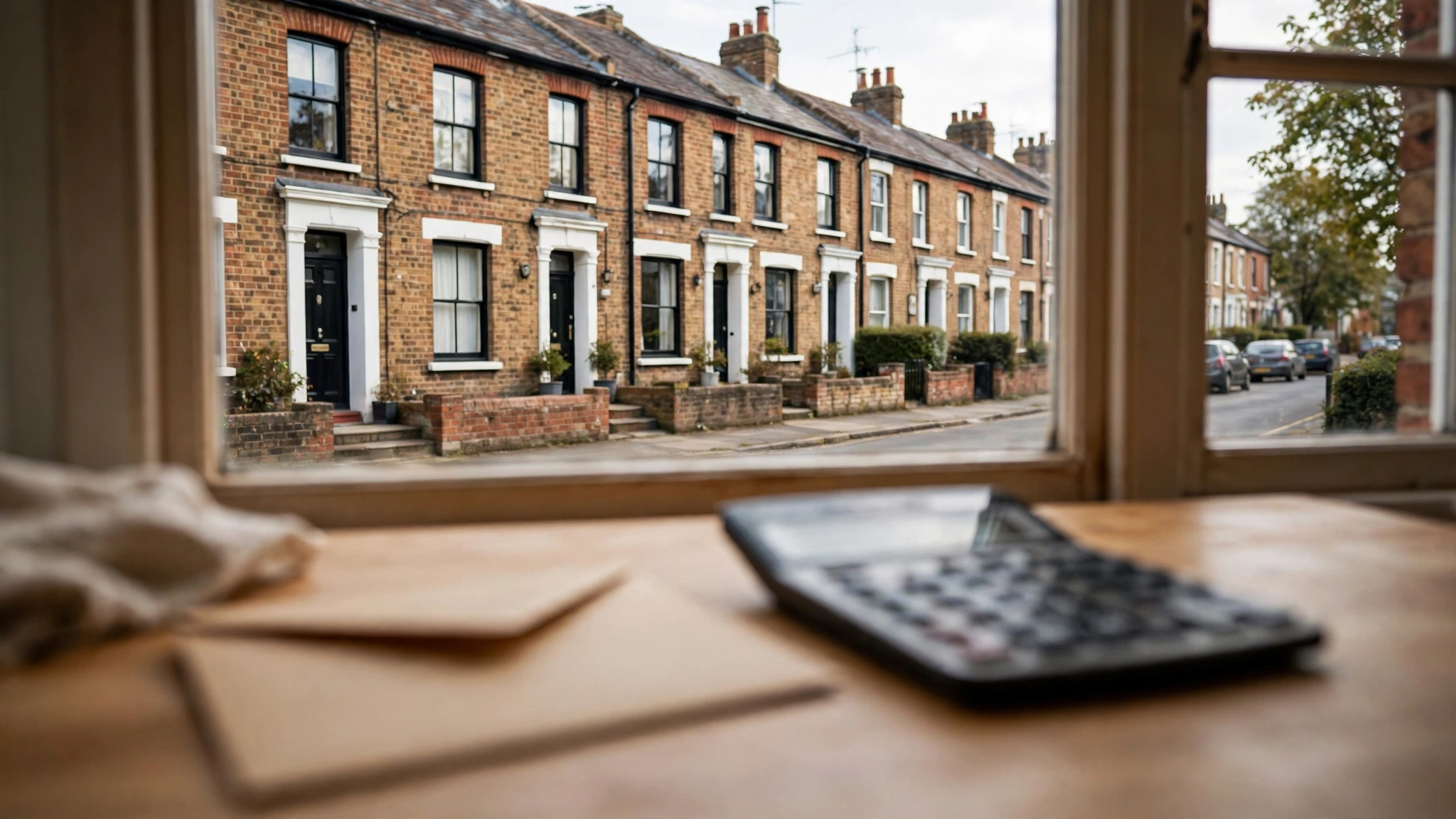
The average Band D council tax bill in England is £2,392 for 2026/27, up £111 — 4.9% — on the £2,280 average for 2025/26, according to the Ministry of Housing, Communities and Local Government's official figures for the year. Most English councils raised bills by close to the maximum allowed without a local referendum — a 3% core increase plus a 2% adult social care precept — and seven councils were given special permission to go further because of exceptional financial circumstances. The bill arrives every spring, and for many families it is now one of the largest monthly outgoings after rent or the mortgage. It pays for bin collections, street lighting, libraries, local roads, social care, and contributions towards the police and fire services.
Take one real council as an example. In Birmingham, the total Band D bill for 2026/27 is £2,353.17, up 5.19% on the £2,237.00 charged in 2025/26, according to Birmingham City Council's own budget book for the year. The city council's own element is £2,023.48, up 4.99% — a 2.99% general increase plus a 2.00% adult social care precept — with the rest going to the West Midlands Fire and Rescue Authority and the Police and Crime Commissioner. A Band A home in Birmingham pays £1,568.78 and a Band H home £4,706.34 under the same charges, before any parish precept in areas such as Sutton Coldfield, where the total Band D bill reaches £2,423.13. Birmingham issued a section 114 notice in September 2023, effectively declaring it could not balance its budget, and its Band D charge is up 34.6% over six years. The national average of £2,392 sits £39 above Birmingham's bill; in Wales, the average Band D bill for 2026/27 is £2,283.08.
How the bands work
Here is the part that surprises people: in England and Scotland, council tax bands are still based on what your property was worth in April 1991. Not what it is worth now, not what you paid for it — its value more than three decades ago. Band A covers the lowest-value homes and Band H the highest, and each band pays a set proportion of the Band D charge for your area. Band A pays six-ninths of Band D, Band B seven-ninths, Band C eight-ninths, Band D the full amount, and so on up to Band H at eighteen-ninths — double Band D. At the England average, that means roughly £1,595 for Band A and £4,784 for Band H.
This odd system has a practical consequence. Two similar houses on the same street can sit in different bands because of how they were valued all those years ago, and some homes were banded hastily when the tax was introduced in 1993. Wales has since revalued its properties, so banding there works differently, but in England and Scotland the 1991 values still rule. Your band is printed on your bill, and you can also look it up free on GOV.UK using just your postcode and address.
The discounts many people miss
The best-known discount is the single person discount. If you are the only adult living in your home, you should be getting 25% off your bill. At the England average Band D figure, that is worth about £598 a year. It is not applied automatically in most areas — you have to tell your council. The same 25% discount can apply if everyone else in the home is "disregarded" for council tax purposes.
Students are the main disregarded group. A home occupied only by full-time students is fully exempt, and a student living with one non-student means that adult can claim the single person discount. Apprentices, some carers, people with a severe mental impairment — which requires a doctor's certificate and usually a qualifying benefit — and those who have moved into care can also be disregarded. If someone in your household fits one of these categories, it is well worth a phone call to the council, because discounts can sometimes be backdated.
There is also council tax reduction — sometimes called council tax support — for people on low incomes or certain benefits. This is run by each local council rather than centrally, so the rules and amounts vary depending on where you live. Pensioners are covered by a national scheme, while working-age arrangements differ from place to place. If money is tight, apply even if you are not sure you qualify; the worst outcome is a no.
Could your band be wrong?
Challenging your band is free, and if you believe yours is too high there are sensible first steps before making anything formal. Compare your home with similar properties nearby. If the house next door is much the same as yours but sits in a lower band, that is a reasonable starting point. You can ask the Valuation Office Agency, the body that sets bands in England and Wales, to review your band, and you will need some evidence — details of comparable properties are the strongest kind. In Scotland, bands are set by the local Assessor.
Two warnings are worth knowing. First, a review can move your band up as well as down, so check the evidence carefully before you start. Second, you must keep paying your bill at the current rate while any challenge is ongoing; falling behind because you expect a reduction is a fast route to arrears.
Paying the bill
Most people pay by monthly Direct Debit, usually spread over ten months, though many councils will let you pay over twelve if you ask. At the England average Band D bill of £2,392, ten instalments mean about £239 a month; twelve mean about £199. There is no discount for paying monthly rather than in one go, so choose whichever pattern suits your household budget.
If you cannot pay
Council tax is treated as a priority debt, and councils have strong powers to collect it, including liability orders and, ultimately, enforcement agents. But councils would generally rather agree a payment plan than chase payment, and most have hardship support for people genuinely struggling. The worst thing you can do is ignore the letters. Contact the council, explain the situation, and ask about spreading payments or applying for council tax reduction. Free debt advice is available from Citizens Advice and StepChange, and they deal with council tax arrears every day.
Most bills, on inspection, turn out to be right. The 1991 valuation is strange, but it is the system as it stands. The ten-minute check is worth it for the minority of cases where it is not right — the home banded higher than the identical house next door, the single adult who never told the council, the student household that never claimed its exemption, the low-income household that never applied for council tax reduction. When the next bill lands, run through it: is the band the same as similar homes nearby, are you claiming every discount your household qualifies for, and has anything changed in the last year that the council does not know about? At £2,392 for the average Band D home, ten minutes with the bill can occasionally be worth hundreds of pounds.