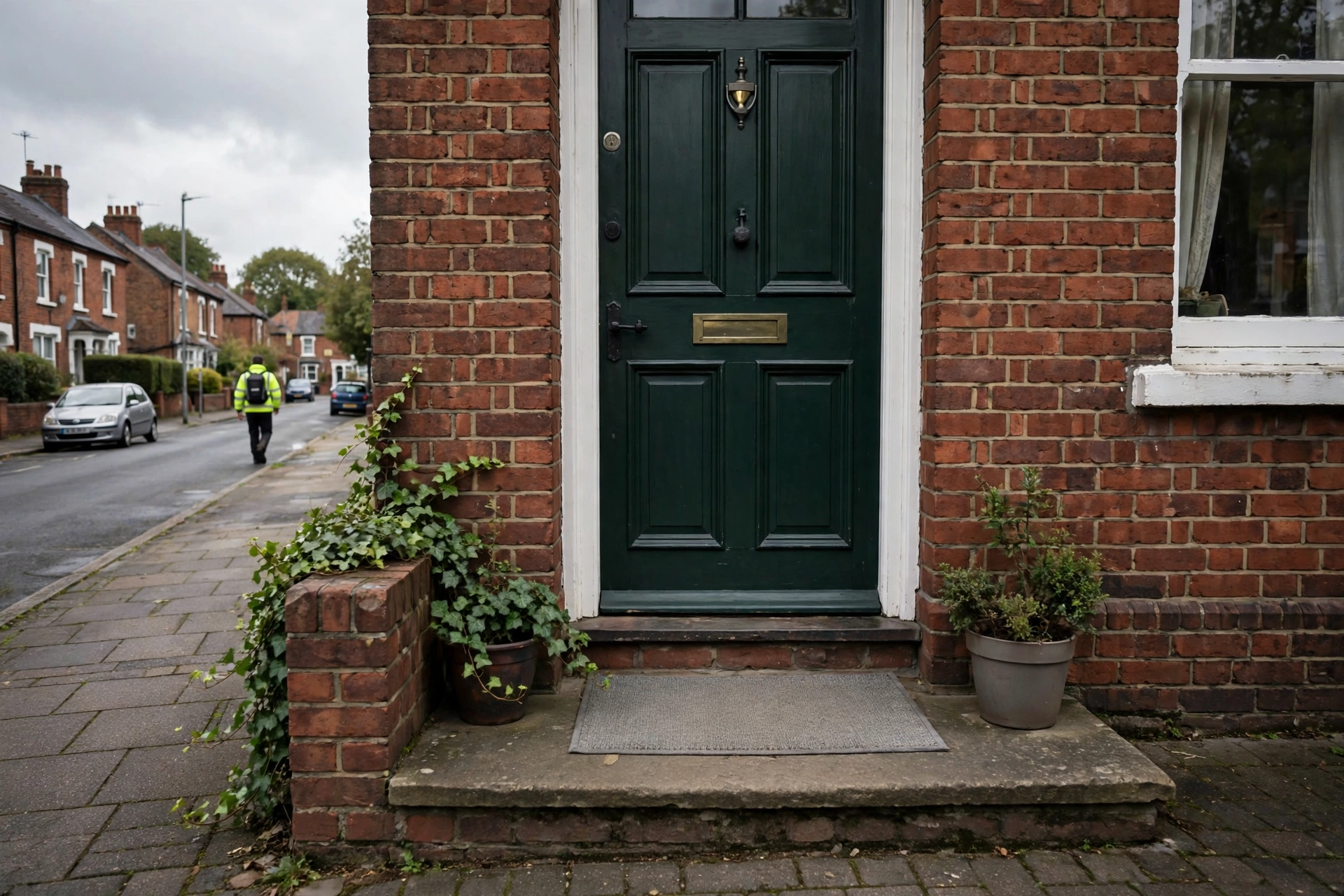
A record 15 million people in the UK had a problem with their latest parcel delivery, according to Citizens Advice research published in November 2025 — more than a third of people (37%), the highest rate in the five years the charity has run its parcels league table. The most common problems were the driver leaving before the recipient could get to the door (29%), the parcel being left in an insecure location (24%) and the parcel arriving late (24%). Ofcom's survey, published in October 2026, found 71% of recipients had a delivery problem in the previous six months, up from 68%, and overall satisfaction with parcel firms fell to 75%, down from 78%.
The scale of the system explains why so much goes wrong. Ofcom's post monitoring report for 2024/25, published in December 2025, recorded 4.2 billion parcels handled in the year, up 7.1%. Evri admitted it expects to lose 1% of the parcels it delivers in 2025 — about eight million parcels, or 22,000 a day — according to Saga. And £666.5 million worth of parcels were stolen from porches and doorsteps across the UK in the previous 12 months, affecting nearly five million households, according to technology company Quadient.
Where is your parcel, and who owes you? The parcel itself is a tracking problem first: a scan, a photograph, a neighbour's hallway, a depot shelf. The money is a contract problem second: your contract is with the retailer, not the courier, and under UK consumer law the retailer is responsible for the goods until they reach you. Follow the parcel first, then follow the contract, and only then follow the money through your card provider.
Hour one: read the tracking properly
Before you report anything, spend a few minutes with the tracking link and read it carefully. "Delivered" can mean different things with different couriers: it may mean left with a neighbour, left in a safe place, or left at a collection point. If the delivery photo shows a doorstep that is not yours, save it — that is useful evidence.
Then check the usual places: behind bins, in the porch, behind a gate, in the shed, in a recycling box. If the tracking still shows the parcel as in transit or at a depot, give it a day or two — parcels are sometimes scanned early or delayed by a day. But if the tracking says delivered and the parcel is nowhere to be found, move to the next stage rather than refreshing the tracking page.
Day one: neighbours, safe places, and the depot
Couriers often leave parcels with a neighbour if nobody is home. Knock on the doors of your immediate neighbours and ask whether anything was left with them, and check communal areas such as hallways and post rooms. Note what each person said and when you asked — that note becomes part of the record later.
If you have a nominated safe place — a porch, a shed, a locker — check it thoroughly, and check whether the courier's photo shows a location you recognise. Contact the courier in parallel if you like, but do not let that become the main chase: the courier did not sell you the goods.
Citizens Advice's 2025 league table, which rates the five biggest delivery companies, put Royal Mail top with 3.25 out of 5 stars and Yodel bottom with 2 out of 5. That does not change your rights: whoever carried the parcel, the retailer is the one who owes you the goods or the money.
Days two to three: contact the retailer first
This is the step many people get wrong, and it is the one that decides everything after it. Contact the retailer's customer service team, by email or through their website so you have a written record, and explain the situation clearly: what you ordered, when, the tracking reference, and what the tracking shows. Ask them to investigate, and be clear about what you want: a replacement or a refund.
Most reputable retailers will investigate with the courier and then send a replacement or refund. If they ask you to contact the courier yourself, you can politely remind them that the contract is with them. Under the Consumer Rights Act 2015, the retailer is responsible for delivery — the goods have not been delivered, and that is the retailer's problem to solve, even if the courier is the one who lost the parcel.
If the retailer refuses to help, or stops replying, reply in writing, restating the facts and your rights, and give them a clear deadline — fourteen days is reasonable — to provide a replacement or a refund. If you bought through an online marketplace, check its buyer-protection process, which can often refund you directly. Keep all messages, receipts and tracking information, as you will need them for any claim.
After the deadline: the card provider
If the deadline passes with no replacement and no refund, the next stage is your payment provider. If you paid by debit card, ask your bank for a chargeback — a process that reverses the payment — and do not wait too long, because chargebacks are available for a limited period after the purchase. If you paid by credit card and the item cost more than £100, you may be protected under Section 75 of the Consumer Credit Act, which makes the card provider jointly responsible with the retailer. Contact your card provider, explain the situation, and provide the evidence you have gathered. For smaller amounts paid by credit card, a chargeback may still be available.
Throughout the process, keep a simple record: order confirmations, tracking screenshots, emails and messages, the names of people you spoke to, and the dates of every contact. A clear, dated timeline is far more persuasive than a frustrated phone call from memory, and it is what your bank or a marketplace will ask for. Citizens Advice found that 47% of people who had a delivery problem then had a further problem trying to resolve it — being unable to find the right contact details, or getting no response at all. Ofcom found satisfaction with contacting an operator fell from 47% to 43%, and in February 2026 it wrote to all parcel companies saying the new complaints rules had failed to deliver real improvements.
Next time: make the parcel wait securely
Once your missing parcel is resolved, a few habits can reduce the chance of it happening again. Choose delivery to a collection point or a parcel locker if you are often out, so the parcel waits securely rather than sitting on a doorstep. If your courier allows it, set a safe place and leave clear delivery instructions on your account. The record is your protection: the tracking screenshot, the photo of the wrong doorstep, the dated email to the retailer, and the fourteen-day deadline in writing.